I grew up in a home where tea was everywhere. Someone was always brewing it, talking about it, or giving it away as a gift. But here’s the funny part — I didn’t actually start drinking tea myself until my twenties.
Fast forward more than twenty years, and tea is now part of my daily routine. When I first began, I had no idea where to start. If someone had handed me a simple, beginner-friendly guide back then, I would’ve saved myself a lot of trial and error.
So here it is — the guide I wish I’d had. We’ll go step by step, and I’ll explain at the end why this order works so well.
1️⃣ Manage your expectations: Tea bags vs. Loose-leaf
If you are used to tea bags, the first step isn’t buying fancy gear—it’s adjusting your expectations.
Tea bags usually contain “fannings” or “dust” (tiny, crushed tea particles) designed to release intense flavor and color in seconds, often requiring milk or sugar. Chinese loose-leaf tea is a completely different experience. It consists of whole leaves that unfurl slowly, offering subtle, evolving flavors across multiple brews. Don’t expect a punch to the jaw; expect a gentle, fragrant conversation.
2️⃣ Move on to loose-leaf tea
After a while, you’ll notice something: “Oh… loose‑leaf tea actually tastes different from tea bags.” That’s your sign you’re ready for loose‑leaf tea.
Loose-leaf tea has more depth and character. The tricky part is finding something safe and affordable. If you’re outside China, look for teas with organic certifications (like USDA Organic or EU Organic) — they’re a good safety net, especially when you can’t taste-test before buying.
3️⃣ Try green tea and black tea first
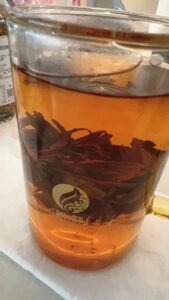
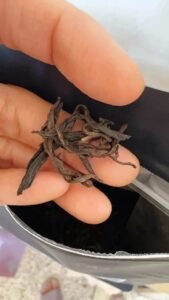
In Chinese tea culture, green and black are the easiest entry points. Green tea is fresh and light. Black tea is warm and smooth. Try both and see which one feels more like “you.”
If green tea is your thing, here’s a little secret: look for spring tea. Green tea is prized for its early spring harvest, especially anything picked “Pre-Qingming” (before early April) — the flavor is fresher and cleaner, with fewer impurities. Black tea doesn’t follow the same rule; its quality has more to do with how the leaves are processed than which season they were picked in, so don’t feel like you need to hunt for a “spring” label there.
4️⃣ Oolong — the bridge worth trying
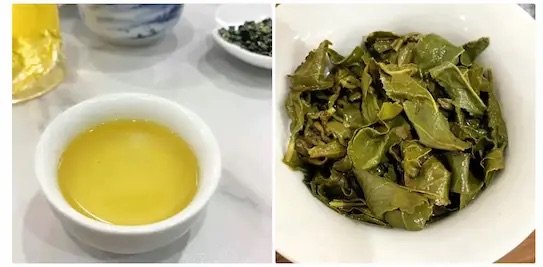
Once you’ve got a feel for green and black, oolong is a natural next step. It sits right in the middle — sometimes closer to green, sometimes closer to black, depending on how it’s made. If you liked green tea’s freshness but want something a bit deeper, or you liked black tea’s warmth but want something lighter, oolong is where you’ll find that sweet spot.
5️⃣ Pu’er and white tea — go ahead and explore
Aged white tea and pu’er cakes are wonderful, and there’s no reason to wait to try them. Pu’er in particular has a bit of a learning curve — quality varies a lot, and aging plays a big role in how it tastes, so it’s worth going in with curiosity and an open mind rather than expecting to “get it” right away.
Pu’er also has a collecting side to it — some cakes are aged and traded much like fine wine, where rarity and time add to their value. That’s a whole world of its own, and if it interests you, it’s worth exploring separately, at your own pace.
6️⃣ Tools — keep it simple
You don’t need a fancy setup to begin. A cup, a teapot, or even a travel mug with a strainer will do the job.
Gongfu tea sets (a small teapot-and-cup ceremony style, brewed strong and short) are beautiful, but for most of us, tea is about quenching thirst and enjoying the moment. Don’t let complicated gear get in the way.
So, is there a middle ground? Can you practice the ritual of Chinese tea but still keep it as quick and simple as eating a burger?
For this, I recommend the Gaiwan (盖碗).
The Gaiwan is a strange and beautiful tool. When you sit down, wanting a brief moment of quiet to review your work, your life, or even to think about nothing at all—just chasing inner peace—the Gaiwan is your answer. It engages your hands, your eyes, your sense of smell, your taste, and your mind. Yet, the strange part is, it requires almost no effort at all.
7️⃣ Flower teas and flavored teas — follow your taste
Flower teas smell amazing, taste approachable, and are perfect for cold brewing in summer. Like pu’er, they’re not a beginner “must-try” — but for a different reason. They’re just a bit outside the traditional six tea categories, more of a fun side path than a core stop. If you enjoy them, that’s what matters. The best tea is the one you love.
8️⃣ Is tea healthy?
From my own daily green tea habit, I’d say yes. It’s been good for my skin, digestion, and focus — especially when I’m glued to a computer all day.
Two quick tips:
Keep your tea away from your keyboard. I’ve spilled mine more than once and had to replace the keyboard.
For loose-leaf tea, about 2 grams per brew (roughly one heaping teaspoon) is plenty. Too much can make you feel unwell.
💡 How to Choose Authentic Green or Black Tea (A Beginner’s Checklist)
Navigating the world of Chinese tea can feel overwhelming. Here’s a simple guide, mostly geared toward green and black tea since that’s where you’re starting:
Look for Specificity: Authentic tea labels should tell you the exact origin (e.g., “West Lake, Hangzhou” instead of just “China Green Tea”) and, for green tea, the harvest time (e.g., “Pre-Qingming” or “Spring 2026”).
Check the Leaves: Authentic whole-leaf tea should look like actual leaves, not crushed crumbs. After brewing, the leaves should unfurl and look relatively intact.
Trust Your Senses: True Chinese tea relies on the natural flavor of the camellia sinensis plant. If a tea smells overwhelmingly like candy or artificial fruit before you even steep it, it’s likely artificially flavored, not authentic.
☕ Why this order works
Moving from tea bags to loose-leaf, from green and black to oolong, and saving pu’er and white tea for later, is a gentle way to build your taste. It’s safe, and it helps you figure out what you actually enjoy before you tackle the trickier categories.
The world of tea is vast. There’s no need to rush. Sip slowly, explore, and one day you’ll find the cup that feels like yours.
May your tea bring you joy and peace.