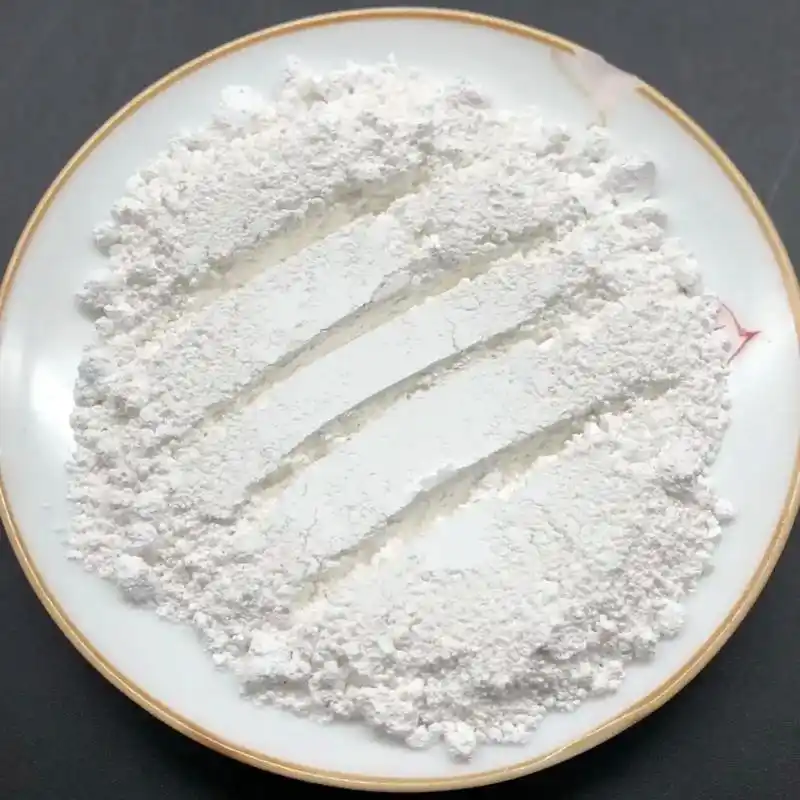
In this post, we reveal everything you need to know about kaolin, including its meaning, properties, types, origins, and uses in fine porcelain. Let’s get started!
Introduction
Kaolin is a remarkable natural clay that has shaped civilizations for over a thousand years. This mineral is prized for its pristine white color and extraordinary purity. It was first discovered near Gaoling Mountain in Jingdezhen, China—the “Porcelain Capital” of the world.
Kaolin is composed primarily of the mineral kaolinite. When fired at high temperatures, this fine white clay transforms into translucent, glass-like porcelain. Its unique properties make it the gold standard for creating the world’s finest ceramics. From delicate teaware to artistic masterpieces, kaolin is essential. Read our complete guide to discover everything about this wondrous material!
Table of Contents
- Kaolin Meaning
- Kaolin Spiritual Meaning
- Kaolin Benefits
- Kaolin in Jingdezhen, China
- Kaolin in Dehua, China
- Where to Find Kaolin Worldwide
- Kaolin Properties
- Kaolin Physical Properties
- Kaolin Metaphysical Properties
- Kaolin vs Bentonite Clay
- Kaolin vs Ball Clay
- Kaolin Types
- Raw Kaolin
- Refined Kaolin
- Kaolin Color Variations
- Pure White Kaolin
- Ivory Kaolin
- Calcined Kaolin
- Kaolin in Porcelain Making
- Gaiwan (Covered Bowls)
- Teacups
- Teapots
- Tea Trays and Accessories
- Kaolin Uses Beyond Ceramics
- How Kaolin is Processed
- How to Identify Quality Kaolin Porcelain
- How to Care for Kaolin Porcelain
- Kaolin Porcelain for Sale
- Conclusion
Kaolin Meaning
Kaolin is a soft, white clay mineral that has been revered for centuries. It’s the essential ingredient in fine porcelain. The name “kaolin” comes from the Chinese word “Gaoling” (高岭), meaning “high ridge.” This refers to the mountain near Jingdezhen where this precious clay was first mined over 1,000 years ago.
This pure white clay has a remarkable ability. When fired at temperatures between 1,200-1,400°C, it transforms into translucent, glass-like porcelain. What makes kaolin truly special is its fine particle size and unique chemical composition. These qualities allow potters to create incredibly thin-walled vessels. The result is pieces that are both delicate and surprisingly strong.
Throughout history, kaolin has been the secret behind China’s legendary porcelain exports. These ceramics were once so valuable they were traded like gold along the Silk Road. Today, this extraordinary material continues to be the foundation of the world’s finest ceramic teaware and art pieces.
Kaolin Spiritual Meaning
In Eastern philosophy, kaolin represents purity, clarity, and transformation. Just as this humble white clay transforms through fire into luminous porcelain, it symbolizes the spiritual journey. It represents the path from raw potential to refined enlightenment.
The pristine white color of kaolin embodies two important concepts. In Chinese, these are “kong” (空), meaning emptiness, and “jing” (净), meaning cleanliness. These concepts are central to Zen Buddhism and Taoist meditation practices. When you hold a kaolin porcelain vessel, you’re connecting with centuries of mindful craftsmanship. You’re also connecting with the transformative power of the elements: earth, water, and fire.
Many tea practitioners believe that the purity of kaolin enhances the meditative quality of the tea ceremony. It helps to clear the mind and create a space for present-moment awareness. The smooth, cool surface of kaolin porcelain is thought to ground energy and promote a sense of calm.
Kaolin Benefits
Kaolin offers numerous benefits that make it the preferred material for fine porcelain:
Visual Purity: Its white color provides the perfect backdrop for appreciating tea. You can see the true color of your tea liquor, from pale jade greens to deep amber reds. This makes it invaluable for tea connoisseurs who want to observe every subtle nuance of their brew.
Thermal Properties: Kaolin porcelain heats evenly and retains warmth beautifully. Yet it remains comfortable to hold. The material conducts heat gently to your hands. It never burns your fingers or shocks your palate.
Flavor Neutrality: Unlike porous clays, kaolin porcelain has a non-reactive, glass-like surface. It doesn’t absorb flavors or aromas. This ensures every tea tastes exactly as the tea master intended. It’s ideal for delicate white teas and green teas.
Translucency: When formed into thin walls, kaolin porcelain becomes semi-transparent. It glows softly when backlit. This quality has mesmerized people for centuries.
Acoustic Quality: High-quality kaolin porcelain produces a clear, bell-like ring when gently tapped. This is a sign of excellent craftsmanship and proper firing.
Kaolin in Jingdezhen, China
Jingdezhen is located in Jiangxi Province. It has been the heart of Chinese porcelain production for over 1,700 years. The city earned its legendary status thanks to exceptional kaolin deposits. These are found in the nearby Gaoling Mountains, where the material gets its name.
The kaolin deposits of Jingdezhen are renowned worldwide. They’re known for exceptional whiteness, fine particle size, and high plasticity. These characteristics allow artisans to create porcelain of extraordinary quality. The walls are thin enough to see through, yet strong enough to withstand daily use.
During the Song, Ming, and Qing dynasties, Jingdezhen porcelain was reserved for imperial use. It was also traded globally as luxury goods. Even today, the city remains the epicenter of Chinese porcelain artistry. Traditional techniques are preserved here while new innovations continue to emerge.
Kaolin in Dehua, China
Dehua is located in Fujian Province. It’s famous for a unique type of kaolin that produces “Blanc de Chine.” This porcelain has a distinctive warm, ivory-white color. Dehua kaolin has a slightly different mineral composition than Jingdezhen kaolin. The result is a creamier, more luminous white when fired.
This type of porcelain became internationally famous during the Ming and Qing dynasties. It was especially known for sculptures and Buddhist figurines. The kaolin from Dehua is particularly valued for its smooth texture. It captures light beautifully, giving finished pieces an almost ethereal glow.
Today, Dehua continues to produce some of the world’s most beautiful white porcelain teaware. Many artisans still use traditional hand-building and carving techniques. These methods have been passed down through generations.
Where to Find Kaolin Worldwide
While China remains the most famous source of high-quality kaolin, deposits can be found around the world:
United States: Major deposits exist in Georgia, South Carolina, and North Carolina. American kaolin is widely used in paper coating and industrial applications. Some is also suitable for ceramics.
United Kingdom: Cornwall and Devon have historically important kaolin deposits. They’re known as “china clay.” These deposits helped Britain develop its own porcelain industry.
Brazil: One of the world’s largest producers. Brazil has massive kaolin deposits in the Amazon region. These are used for both ceramics and industrial purposes.
Germany: The Meissen region has high-quality kaolin deposits. These enabled the creation of the first European hard-paste porcelain in the early 18th century.
India: Rajasthan and Kerala have significant kaolin deposits. These are used in local pottery traditions.
Each deposit has slightly different characteristics. This is based on local geology. These differences affect the final color, plasticity, and firing temperature of the porcelain.
Kaolin Properties
In this section, we’ll explore the different properties of kaolin. We’ll explain what they mean for porcelain quality. These include both physical and metaphysical properties. Read on to find out all you need to know.
Kaolin Physical Properties
Kaolin is composed primarily of the mineral kaolinite (Al₂Si₂O₅(OH)₄). This is a hydrated aluminum silicate. Its unique physical properties make it ideal for porcelain:
Particle Size: Kaolin has extremely fine particles. They’re typically less than 2 micrometers. This allows for smooth, dense porcelain with minimal pores.
Plasticity: When mixed with water, kaolin becomes highly plastic and moldable. Yet it maintains its shape when formed. This is essential for throwing on a potter’s wheel or hand-building.
Firing Temperature: Kaolin vitrifies (becomes glass-like) at temperatures between 1,200-1,400°C. This creates the characteristic strength and translucency of true porcelain.
Whiteness: High-quality kaolin has a brightness rating of 90% or higher. This ensures the pure white color prized in fine porcelain.
Chemical Inertness: Fired kaolin porcelain is non-reactive. This makes it safe for food and beverages. It won’t alter flavors.
Thermal Shock Resistance: Quality kaolin porcelain can withstand rapid temperature changes. It performs better than many other ceramics.
Kaolin Metaphysical Properties
In metaphysical traditions, kaolin is associated with purity, transformation, and clarity. The process of creating porcelain from raw kaolin mirrors spiritual alchemy. It’s about taking something humble and elemental. Then transforming it into something refined and luminous.
Crown Chakra Connection: The pure white color of kaolin porcelain is believed to resonate with the crown chakra (Sahasrara). This promotes spiritual connection and higher consciousness.
Grounding and Clarity: As an earth element, kaolin is thought to provide grounding energy. At the same time, it promotes mental clarity and focus. This is a perfect balance for meditation and mindful tea practice.
Transformation Energy: Kaolin undergoes a dramatic transformation in the kiln. It goes from soft clay to stone-hard porcelain. This symbolizes personal growth and the refining of the spirit through life’s challenges.
Purification: Many practitioners believe that serving tea in kaolin porcelain helps purify both the beverage and the mind. It creates a clean slate for contemplation and conversation.
Kaolin vs Bentonite Clay
Kaolin and bentonite are both clays, but they’re quite different:
Absorption: Bentonite has high absorbency. It swells significantly when wet. Kaolin has lower absorption and maintains better dimensional stability.
Plasticity: Bentonite is highly plastic and sticky. Kaolin is moderately plastic and easier to work with for fine pottery.
Uses: Bentonite is primarily used for drilling mud, cat litter, and cosmetics. Kaolin is the preferred material for fine porcelain and high-quality ceramics.
Firing: Kaolin fires to a beautiful white porcelain at high temperatures. Bentonite isn’t typically used alone for pottery due to excessive shrinkage.
For tea ceremony ware and fine dining porcelain, kaolin is the clear winner!
Kaolin vs Ball Clay
Ball clay and kaolin are often used together in ceramic formulations. But they have different characteristics:
Color: Kaolin fires pure white. Ball clay contains organic matter and iron that can create a greyish or off-white color.
Plasticity: Ball clay is more plastic and easier to shape. Kaolin is less plastic but fires whiter.
Particle Size: Ball clay has finer particles overall. This contributes to higher plasticity.
Shrinkage: Ball clay shrinks more during drying and firing than kaolin.
Usage: In fine porcelain recipes, kaolin provides the white color and structure. Small amounts of ball clay might be added for workability. For the whitest, most translucent porcelain, high-kaolin content is essential.
Kaolin Types
In this section, we’ll explore the different forms kaolin takes from mine to finished product. These include raw and refined kaolin. Read on to find out more.
Raw Kaolin
Raw kaolin, also called primary kaolin, is the clay as it comes from the earth. It appears as soft, white to cream-colored deposits. It feels smooth and slightly greasy to the touch.
In its natural state, raw kaolin often contains impurities. These include quartz, mica, feldspar, and iron oxides. These impurities must be removed through washing and refining. Only then is the clay suitable for fine porcelain.
Primary kaolin deposits form when feldspar-rich rocks weather over millions of years. In China, the best deposits are found where granite bedrock has decomposed in place. This creates thick seams of high-purity kaolin.
While raw kaolin can be used for some pottery applications, it must be carefully processed. It needs refinement to achieve the quality needed for translucent, white porcelain teaware.
Refined Kaolin
Refined kaolin is raw kaolin that has been carefully processed. Impurities are removed and properties are standardized. This is the form used by professional porcelain makers.
The refining process typically involves:
- Crushing and dispersing the raw clay in water
- Removing larger impurities through screening
- Separating the finest kaolin particles through sedimentation or centrifugation
- Magnetic separation to remove iron-bearing minerals
- Bleaching with chemicals if necessary to improve whiteness
- Drying and grinding to a fine powder
The result is a consistent, pure white clay. It produces predictable, high-quality results. Premium refined kaolin from Jingdezhen can have purity levels exceeding 95% kaolinite. This ensures the whitest, most translucent porcelain possible.
Kaolin Color Variations
While kaolin is famous for its white color, subtle variations exist. Let’s explore these color differences and what they mean.
Pure White Kaolin
Pure white kaolin is the highest grade. It has minimal iron and organic content. This is the type used for premium porcelain teaware, where color purity is paramount.
Jingdezhen kaolin, when refined, produces a brilliant snow-white color with a cool tone. When fired, it creates porcelain with a crystalline quality. It seems to glow from within.
This pure white provides the perfect canvas for appreciating different teas. You can see the true colors—from the pale yellow-green of high-quality green tea to the deep red of aged pu-erh.
Ivory Kaolin
Ivory kaolin has a warmer, creamier tone. This is due to slightly higher levels of iron oxide or organic matter. This is characteristic of Dehua kaolin. It produces the famous “Blanc de Chine” porcelain.
The ivory tone creates a softer, more organic aesthetic. Many people find it warmer and more inviting than stark white. It’s particularly beautiful for sculptural pieces and decorative teaware.
This subtle color variation doesn’t indicate lower quality. It’s simply a different aesthetic. It has been prized for centuries in Chinese porcelain art.
Calcined Kaolin
Calcined kaolin is raw kaolin that has been heated (calcined) to remove water and organic matter. But it’s not heated to full porcelain temperatures. This process changes its properties significantly.
The calcination process removes chemically bound water from the kaolinite structure. This creates a brighter white color. It also alters the material’s behavior in glazes and clay bodies.
While calcined kaolin isn’t used alone to form teaware, it has other uses. It’s sometimes added to porcelain formulas to reduce shrinkage. Or it’s added to glazes to improve whiteness and opacity.
Kaolin in Porcelain Making
The true magic of kaolin shines in the creation of fine porcelain teaware. Here’s how this remarkable clay becomes the vessels we use for tea ceremony and daily enjoyment.
Gaiwan (Covered Bowls)
The gaiwan, or covered bowl, is perhaps the ultimate expression of kaolin’s potential. This three-piece tea brewing vessel consists of a bowl, lid, and saucer. It’s the preferred method for serious tea tasting.
Why Kaolin Matters for Gaiwan:
Thin Walls: High-quality kaolin allows artisans to create bowls with walls as thin as 2-3mm. Yet they’re still strong enough for daily use.
Translucency: When held to the light, fine kaolin gaiwans glow with a soft, luminous quality.
Heat Control: The smooth porcelain allows you to feel the temperature of the tea through the bowl. Meanwhile, the wide rim stays cool enough to handle.
Visual Tea Evaluation: The pure white interior lets you see the true color and clarity of the tea liquor. This is essential for proper tea appreciation.
Sound: A well-made gaiwan produces a clear, bell-like ring when the lid meets the rim. This is a sign of expert craftsmanship.
Traditional gaiwan from Jingdezhen represents the pinnacle of this art form. Some examples are so thin they’re nearly translucent. Yet they remain functional for years of daily use.
Teacups
Small, delicate teacups made from kaolin porcelain are treasured by tea enthusiasts worldwide. These cups typically hold just 30-50ml. This is perfect for savoring concentrated brews.
The thin walls heat quickly. This allows you to perceive the temperature of the tea the moment you lift the cup. The smooth, glass-like interior ensures that tea slides cleanly across the surface. This enhances the mouthfeel.
Quality kaolin teacups have a refined rim. It’s not too thick, not too thin. It feels pleasant against the lips. The exterior may be left white or adorned with hand-painted designs. But the interior should always be pure white to show the tea’s color.
Teapots
Kaolin teapots offer a different experience than their purple clay counterparts. While Yixing teapots are prized for their porous nature, kaolin teapots are valued for their neutrality and versatility.
Benefits of Kaolin Teapots:
Flavor Purity: The non-porous surface doesn’t absorb tea oils. This makes it perfect for brewing different types of tea without flavor crossover.
Even Heat: The material heats uniformly. This ensures consistent water temperature throughout the brewing process.
Lightness: Despite their strength, kaolin teapots are surprisingly lightweight. This makes them comfortable to handle.
Precision Pouring: Skilled artisans can create spouts with perfect geometry. This allows smooth, controlled pouring.
Easy Maintenance: The non-absorbent surface is simple to clean. It doesn’t require seasoning.
A fine kaolin teapot is ideal for delicate teas. These include white tea, green tea, or oolong. For these teas, purity of flavor is paramount.
Tea Trays and Accessories
Complete tea sets made from kaolin porcelain create a harmonious, unified aesthetic on the tea table. Modern minimalist designs often feature all-white porcelain accessories. These embody principles of simplicity and refinement.
Tea trays, waste water bowls, tea serving pitchers, tea scoops, and incense holders can all be crafted from the same pure white kaolin. This creates a serene environment. It enhances focus and mindfulness during the tea ceremony.
The smooth, easy-to-clean surface of kaolin porcelain accessories makes them practical for daily use. Their elegant simplicity never distracts from the tea itself.
Kaolin Uses Beyond Ceramics
While our focus is on porcelain teaware, kaolin has fascinating applications beyond the pottery studio:
Paper Industry: Kaolin is used as a coating on high-quality paper. It improves smoothness, brightness, and printability.
Cosmetics: Its gentle absorbent properties make kaolin a popular ingredient in face masks and skincare products.
Pharmaceuticals: Pharmaceutical-grade kaolin is used in some medications. It’s also used as an anti-caking agent.
Paint and Coatings: Kaolin improves the opacity, durability, and texture of paints and industrial coatings.
Rubber and Plastics: It serves as a functional filler. It can improve properties while reducing costs.
However, the most noble use of this ancient material remains the creation of beautiful, functional teaware. It connects us to centuries of tradition.
How Kaolin is Processed
Understanding how raw kaolin becomes fine porcelain helps us appreciate the craftsmanship in every piece:
1. Mining: Kaolin is extracted from deposits using either surface mining or underground tunnels. The method depends on the location and depth of the seam.
2. Crushing and Dispersing: Raw kaolin is crushed and mixed with water. This creates a liquid suspension called slip.
3. Screening: Large impurities are removed through mechanical screening. These include stones and plant material.
4. Purification: The slip undergoes sedimentation, centrifugation, or filtration. This separates the finest kaolin particles. Magnetic separators remove iron-bearing minerals that would discolor the porcelain.
5. Aging: Some producers age the refined kaolin for months or even years. They believe this improves plasticity and workability.
6. Forming: The prepared kaolin is shaped using various techniques. These include wheel throwing, slip casting, jiggering, or hand building.
7. Drying: Formed pieces are slowly dried to prevent cracking. This stage requires careful humidity and temperature control.
8. Bisque Firing: First firing occurs at lower temperatures (around 900-1000°C). This hardens the piece and prepares it for glazing.
9. Glazing: A glass-forming liquid coating is applied. This creates the smooth, glossy surface.
10. High-Fire: Final firing occurs at 1,200-1,400°C. This vitrifies the kaolin, creating true porcelain with its characteristic strength, whiteness, and translucency.
Master potters can tell the quality of kaolin by its feel, sound, and appearance at every stage of this process.
How to Identify Quality Kaolin Porcelain
When shopping for kaolin teaware, look for these quality indicators:
Whiteness: Premium kaolin porcelain should be snow-white or have a subtle ivory glow. It shouldn’t have grey or yellow tones (unless intentionally designed otherwise).
Translucency: Hold the piece up to a light source. Quality porcelain should glow with transmitted light, especially in thin sections.
Sound: Gently tap the rim with your fingernail. You should hear a clear, bell-like ring that sustains for a second or two. Dull or short sounds indicate lower firing temperatures or impurities.
Smoothness: Run your finger across the glazed surface. It should feel like glass—perfectly smooth without any grittiness or rough spots.
Thinness: While not all quality pieces are ultra-thin, fine teaware should have even, relatively thin walls. This demonstrates the potter’s skill and the clay’s quality.
Even Color: The color should be uniform throughout. There shouldn’t be mottling, dark spots, or discoloration. These would indicate iron impurities or uneven firing.
Clean Foot Ring: The unglazed base (foot ring) should show fine, pure white or slightly off-white clay. There should be no visible impurities.
Craftsmanship: Look for precise edges, well-fitted lids, smooth spouts, and comfortable handles. These are all signs that the artisan took care with every detail.
How to Care for Kaolin Porcelain
Kaolin porcelain is surprisingly durable. But proper care will keep it beautiful for generations:
Daily Cleaning: Rinse with warm water immediately after use. For most pieces, this is sufficient to keep them clean.
Gentle Washing: When needed, use a soft cloth or sponge with warm water. Mild dish soap is acceptable, but thorough rinsing is essential to remove all residue.
Stain Prevention: Some teas, especially black tea and pu-erh, can leave tannin stains over time. Regular rinsing prevents buildup. For stubborn stains, a paste of baking soda and water can be gently applied.
Avoid Abrasives: Never use steel wool, harsh scrubbers, or abrasive cleaners. These can scratch the glaze.
Temperature Changes: While kaolin porcelain handles temperature well, avoid extreme thermal shock. Don’t pour boiling water into a cold gaiwan straight from the refrigerator.
Storage: Store pieces where they won’t chip against each other. Use felt pads or soft cloth between stacked items.
Handling: Always lift lids by their knob. Handle gaiwans with care. The thin walls that make them beautiful also require mindful handling.
No Dishwasher: Hand wash only. Dishwashers can cause chipping from items knocking together. Harsh detergents can dull the surface over time.
With minimal care, quality kaolin porcelain becomes more beautiful with age. It develops a subtle patina that tells the story of countless tea sessions.
Kaolin Porcelain for Sale
If you’re looking to purchase authentic kaolin porcelain teaware, here’s what to know:
Price Range:
- Entry-level gaiwan: $15-40 USD
- Mid-range handmade pieces: $50-150 USD
- Master artisan works: $200-1000+ USD
- Antique or collectible pieces: $500-10,000+ USD
Price reflects several factors. These include clay quality, manufacturing method (mass-produced vs. handmade), artisan reputation, thickness, decoration, and origin.
Where to Buy:
Authorized Dealers: Purchase from reputable tea shops and porcelain specialists. They can verify authenticity and origin.
Direct from Jingdezhen: Some studios ship internationally. They offer the most authentic pieces.
Online Marketplaces: Exercise caution. Verify seller ratings and read reviews. Look for detailed photos showing translucency and foot rings.
Tea Specialty Shops: Brick-and-mortar tea shops often curate quality selections. They can provide guidance.
Red Flags:
- Prices that seem too low for claimed quality
- Lack of information about origin or clay type
- Photos that don’t show the piece held to light
- No close-ups of the foot ring or unglazed areas
- Generic descriptions without specific details
What to Ask:
- Where was it made? (Jingdezhen and Dehua are premium origins)
- What firing temperature? (1,300°C+ indicates true porcelain)
- Is it hand-thrown or molded? (Both can be quality; be aware of which you’re getting)
- What is the wall thickness?
- Can you provide photos of the foot ring?
Investing in authentic kaolin porcelain means acquiring pieces that will serve you beautifully for years. They develop character and meaning with every use.
Conclusion
Kaolin is far more than just white clay. It’s the foundation of one of humanity’s most refined artistic and functional traditions. From the mountains of Jingdezhen to your tea table, this humble earth material undergoes an alchemical transformation. It produces vessels of extraordinary beauty and utility.
Whether you’re using a kaolin gaiwan to evaluate competition-grade oolong, sipping from a translucent teacup, or simply admiring the play of light through fine porcelain, you’re participating in a tradition that spans millennia. The purity, neutrality, and elegance of kaolin porcelain create the perfect environment for mindful tea practice and aesthetic appreciation.
As you build your collection of tea vessels, understanding the qualities of kaolin helps you make informed choices. These enhance both your tea sessions and your connection to this ancient craft. Every piece tells a story of earth, fire, water, and human skill. It’s a tangible link to the past and a functional beauty for the present.
Did You Enjoy This Article?
Thank you for reading! If you enjoyed this article about kaolin, you might also like to explore our collections of Jingdezhen Porcelain Gaiwan and Dehua White Porcelain Teaware.
We invite you to experience the purity and elegance of authentic kaolin porcelain in your own tea practice.